

- Status:
- Complete
- Farmed by:
- David, Heulwen and Rhys Davies
- Location:
- Moor Farm, Holywell
- Sector:
- Dairy
Overview
Moor Farm is an 85-hectare 100 cow Holstein Friesian spring block calving dairy farm together with 80 replacement heifers and an emphasis on breeding high genetic merit cows and utilising as much grass in the diet as possible. The herd is currently averaging 7,500 litres/cow with 4.6% Butterfat and 3.67% Protein equating to 620kg of milk solids/cow. The current somatic cell counts (SCC) sit at 100,000 cells/ml.
As many dairy herds in Wales have transitioned to either a spring block or an autumn block calving pattern to optimise milk contracts along with maximising grass and forage utilisation, fertility of the herd has become increasingly important in order to maintain a tight 6-12 week block depending on the type of cow and system they operate.
Over the past few years Rhys, alongside with his parents Dei and Heulwen Davies, have been undertaking genomic testing in their youngstock to estimate their genetic potential and to drive informed breeding decisions for their herd.
This project will involve selecting five elite R2 13-14 month-old heifer donors in terms of protein %, fertility %, SCC % and maintenance traits on genomic results, also evaluating the family history of the heifers/dams. A 1st calved cow will also be selected at Moor Farm as she is in the top 200 UK AHDB PLI ranking in April 2024.
These six animals will be subject to oocyte collection by Transvaginal Oocyte Recovery (Figure 1) in mid May 2024, which will be fertilised with semen and remain in a petri dish for 7 days, and then frozen as embryos until implantation date.
Recipient selection will be as important as donor selection, these will be lower genetic merit/genomic result R2 heifers at Moor Farm, which are healthy, well grown and of a good body condition score. Twenty potential recipients will be scanned and checked beforehand by the vet involved and then programmed for synchronisation on a 10-day PRID and Estrumate protocol starting on the 15th June 2024.
On the 22nd of June 2024, heifers will be implanted with the frozen IVF embryos and donor heifers will be observed and inseminated when on heat alongside a cohort group subject to standard AI management. Both groups of heifers will be scanned for pregnancy on the 9th ofSeptember 2024.
Through driving further improvement in efficiency in these key business areas, the project will also contribute to the Sustainable Land Management outcomes including:
High animal health and welfare
Reducing greenhouse gas emissions
Latest project timeline
Final update
Key results:
- Heifers produced 4.6 embryos per donor and performed better than the cows
- Conversion rates of oocytes to embryos was very good - around 35% (in heifers); with sexed semen it is expected to be 20% on average
- Heifers were scanned at the end of August 2024, 7 out of the 29 had held which equates to 25% hold rate which leaves some room for improvement against the standard KPI of 45%.
- Economic return on investment for this project is difficult to calculate because of the long term benefit it will have on the herd at Moor in terms of gain in specific traits, and breeding from more elite livestock
- In the short term, since there are 7 heifers in calf to sexed semen from the embryo project that equated to a value of £1,184.70 per heifer born. However, the accelerated genetic gain will increase herd potential over the next 20 years.
Background:
As many dairy herds in Wales have transitioned to either a spring block or an autumn block calving pattern to optimise milk contracts along with maximising grass and forage utilisation, fertility of the herd has become increasingly important in order to maintain a tight 6-12-week block depending on the type of cow and system they operate.
Breeding objectives and protocols within the industry are therefore heavily focused on optimising fertility to maintain a tight calving block.
Over the past few years Rhys, along with his parents Dei and Heulwen Davies, have been undertaking genomic testing on their youngstock to estimate their genetic potential and to drive informed breeding decisions for their herd.
This project involved selecting elite R2 13-14-month-old heifer donors in terms of their genomic ranking for protein %, fertility %, Somatic Cell Count (SCC) % and maintenance traits, also evaluating the family history of the heifers/dams. A first calved cow was also selected at Moor Farm as she was in the top 200 UK AHDB Profitable Lifetime Index (PLI) ranking in April 2024.
Purpose of the work:
- Improve genetic merit potential of block calving herds in order to improve herd efficiency and sustainability (in this case the measured improvement of spring calving index SCI)
- Demonstrate the potential of IVF technology for harvesting oocytes from young elite genomically tested heifers in block calving herds
- Demonstrate how an IVF and ET schedule can be implemented without affecting overall herd fertility and maintaining the calving block
What we did:
Six elite donor heifers and four cows were selected and prepared to undergo superovulation with the injection of Folltropin, a follicle stimulating hormone (FSH). The oocyte collection was carried out on the farm on 22 May 2024. The oocytes were retrieved through “follicular aspiration”- a non-surgical procedure that took 15 minutes per animal (Fig 1).
Following the visit, the fresh oocytes were transported to AB lab and fertilised with high-ranking Spring Calving Index (SCI) bull semen for 7 days in a petri dish. Bulls used were high genomic Economic Breeding Index (EBI) bull Waterpark Jack and high health and protein % Scandinavian Holstein VH Shuba. These bulls were selected using AHDB SCI index ranking tool based on milk protein %, fertility %, SCC % and maintenance traits.
As one embryo had burst, a total of 29 sexed IVF embryos were implanted on 19 June in 26 heifers that were selected as healthy, well grown and of good body condition score; they were checked and scanned beforehand by the vet involved and programmed for synchronisation using the 10-day PRID and Estrumate protocol. The other three embryos were implanted in 3 cows that were bulling on that day.
Donor heifers were observed and inseminated when on heat alongside a cohort group with no special treatment.
Outcomes:
- A total number of 114 oocytes was gathered; one of the donors Ryden Miriam 2317 from one of the most fertile cow families at Moor Farm produced 38 oocytes.
- Conversion rate from oocytes processed to embryos frozen was 30.2%, which is comparable to using conventional semen. However, for sexed semen it was expected to be around 25% so in this instance performance was above expectation.
- 29 viable embryos were frozen in liquid nitrogen solution, 13 came from Ryden Miriam 2317, and were stored in the lab in Scotland until ready for implanting.
- Heifers performed better than cows in the project and produced 4.6 embryos per donor
- Conversion rates of oocytes to embryos was very good, around 35% (in heifers) with sexed semen it is expected to be 20% on average
- Heifers were scanned at the end of August, 7 out of the 29 had held which equates to 25% hold rate which leaves some room for improvement against the standard KPI of 45%.
How to apply on your farm:
1. Carry out genomic testing to identify the highest genetic merit animals in the herd
2. Create a breeding plan for the project work with a specialised breeding company
3. Prepare and choose livestock (for donors and recipients) months in advance to be well grown, fit, healthy, the correct weight and condition to maximize success for the project. A specified nutrition plan should be formulated to meet targets.
4. Follow the specified breeding plan for oocyte extraction and fertilisation to create embryos before implanting in the chosen livestock.
5. Scan livestock to evaluate project success
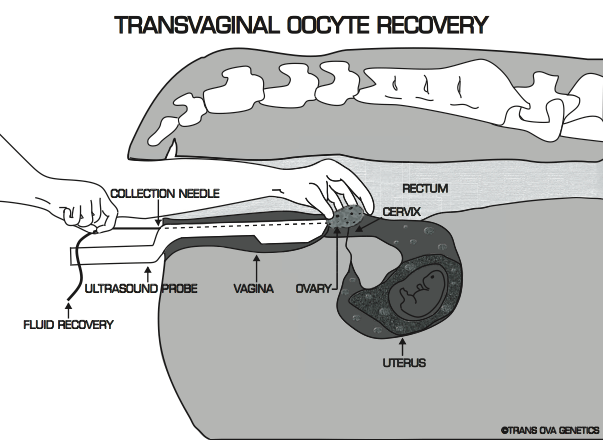
Figure 1. Follicular aspiration of oocytes
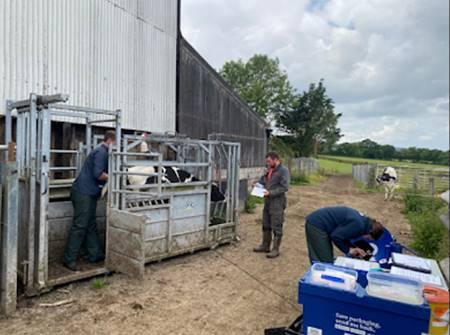
Figure 2. Implanting embryos in well grown heifers
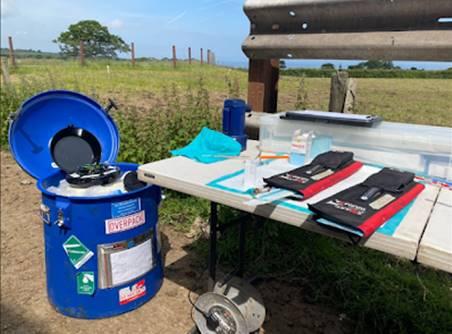
Figure 3. Equipment for implanting embryos at Moor Farm