

- Status:
- Complete
- Farmed by:
- Dylan, Gwenda and Gwion Roberts
- Location:
- Gornwal Ucha, Gwytherin
- Sector:
- Beef, Sheep
Overview
With increasing cost to production, Cornwal Uchaf has been looking to reduce the dependency on purchased concentrate to finish 350 lambs.
The project proposes to compare the current finishing system of housing the lambs from October onwards on straw bedding with hay and ad lib concentrate feed with a forage crop made up of a mix of 71.5% tetraploid Italian ryegrass, 7% Vollenda stubble Turnips and 21.5% Interval hybrid rape. The Italian ryegrass will improve the thickness of the crop whilst helping to keep the animals clean and will also provide grazing through to the following spring. The inclusion of both Vollenda and Interval will make this mix more palatable and will add protein and energy to the diet.
Through driving further improvement in efficiency in this part of the system, the project will also contribute to the Sustainable Land Management outcomes including:
- reduce the farms’ greenhouse gas emissions
- support improvement in maximising carbon storage and sequestration whilst reducing the whole-farm carbon footprint
- reduce diffuse pollution and contributing to clean water
- mitigate against flood & drought risk
- contribute to high flock health and welfare
Latest project timeline
Final update
Key results:
- Rape/kale hybrid grew the greatest yield at 10,233 tonne DM/ha, 150% more than the second highest yielding, herbal ley at 6,713kg DM/ha.
- The red clover ley provides nearly a three fold benefit in ROI in comparison to the herbal ley and double that of the Redstart, based on their persistence.
Background:
With increasing cost of production, Cornwal Uchaf has been looking to reduce the dependency on purchased concentrate to finish lambs. They were keen to explore alternative options including legumes, forage crops and multi species leys.
Purpose of the work:
With the current inflated economic climate, buying concentrate feed is an expense that a lot of farmers are reviewing. This project aims to evaluate whether growing your own feed source can significantly reduce the farm's overheads and improve the business’ efficiency.
- Compare yield in the form of tonnage dry matter per hectare grown on 4 different grass and forage crops - Multi species ley, Ryegrass and white clover, rape/kale hybrid (Redstart) and Ryegrass with red and white clover mix.
- Implement short term rotational grazing to improve grassland quality and graze a younger, more productive sward
What we did:
Three fields were chosen for the trial, and one of the larger fields was split in two to create two plots. The trial included 4 plots in total of alternative grass and forage crops for finishing lambs.
Plot 1, 3 and 4 were ploughed in early May and plot 2 was sprayed off with glyphosate and rotovated in early June.
The following field operations were undertaken -
- Ploughed / Sprayed and Rotovated
- Limed and power harrowed
- Chain harrowed
- Calcifert and Triple 16 fertiliser was applied.
- Rolled
- Drilled
- And rolled again
The following seed mixes were sown -
Plot 1 was seeded with Ryegrass, red and white clovers - grassmaster HS Pro nitro seed mix at 12.5kg/acre (30.9kg/ha) rate.
Plot 2 was seeded with rape/kale hybrid - Redstart seed at 2.5kg/acre (6.2kg /ha) seed rate.
Plot 3 was sown at a seed rate of 14.7 kg/ac (36.4kg/ha) with a multi species ley containing a total of 14 species, including Perennial Ryegrasses, Timothy, Meadow Fescue, Red and White Clover, Ecotain, Sainfoin, Chicory and Lucerne.
Plot 4 was sown at a seed rate of 14.7 kg/ac (36.4kg/ha) with a conventional grass ley which contains Intermediate and Late Perennial Ryegrasses, Clover Blend and Timothy. Plots 3 and 4 are also part of the pan Wales herbal ley project.
Each plot was split into 3 or 4 paddocks for grazing and the stocking rate was calculated on grass/forage cover and whole plot area size for rotational grazing post weaning in mid August until October.
Outcomes:
Following establishment Plot 1, 3 and 4 were grazed twice ahead of starting our trial as they all contained a high proportion of grass in the mix to encourage tillering. Figure 1 shows the total tonnage of forage in Kilograms Dry Matter per hectare grown on the trial plots from July to October 2024. The forage rape/kale (Redstart) provides the highest yield equating to 10,233kg DM/ha, compared to the red clover ley at 6,252 kg DM/ha and herbal ley at 6,713kg DM/ha. The ryegrass and white clover ley produced the lowest yield at 3,897kg DM/ha.
The establishment costs are summarised below in table 1. The costs per hectare have also been accounted for the expected longevity of the leys to give a true reflection on costs of cultivation and seeds.
Table 1. Establishment cost per hectare of alternative forages at Cornwal Uchaf¹
| Plot | 1 | 2 | 3 | 4 |
| £ | Red Clover Grassmaster Pro Nitro | Redstart (rape/kale hybrid) | Herbal ley | Ryegrass & white clover |
| Spraying | 15.04 | |||
| Round up product | 31.00 | |||
| Rotovating | 84.40 | |||
| Ploughing | 72.67 | 72.67 | 72.67 | |
| Cultivation (power harrowing and chain harrow) | 93.48 | 93.48 | 93.48 | |
| Drill | 35.06 | 58.88 | 35.06 | 35.06 |
| Fertiliser | 190 | 264 | 190 | 190 |
| Seeds | 239.59 | 64.84 | 280.10 | 174.63 |
| Roll | 16.23 | 16.23 | 16.23 | 16.23 |
| Total cost per hectare (£) | £ 647.03 | £ 534.39 | £ 687.54 | £ 582.07 |
| Cost per ha over 4 years(£) |
|
| 171.89 |
|
| Cost per ha over 5 years(£) | 129.41 |
|
|
|
| Cost per ha over 7 years(£) |
|
|
| 83.15 |
The return on investment (ROI), displayed in table 2, highlights the expected return based on leys maintaining their 2024 performance. The red clover ley provides nearly a three fold benefit in ROI in comparison to the herbal ley and double that of the Redstart, based on their persistence. It is important to note that these figures are not reflective of the alternative benefits that some of these crop options provide, such as improvements to soil health, anthelmintic properties, nitrogen fixation and resilience to drought conditions.
Table 2. Return on investment of all lamb finishing options considering the persistence of the crop/ley
Red clover | Redstart | Herbal Ley | Ryegrass and white clover | |
| Total Establishment Cost/ha | £ 647.03 | £ 534.39 | £ 687.54 | £ 582.07 |
| Total Value of forage / ha per year¹ | £2,331.68 | £3,058.47 | £1,688.53 | £1,083.78 |
| Value of forage minus permanent pasture value | £1,631.25 | £2,358.04 | £988.10 | £383.35 |
Year 1 | 71% | 341% | -8% | -78% |
Year 2 | 242% | 83% | -56% | |
Year 3 | 413% | 175% | -34% | |
Year 4 | 584% | 267% | -13% | |
Year 5 | 755% | 9% | ||
Year 6 | 31% | |||
Year 7 | 53% |
¹ Feed value determined through the use of AHDB Relative feed value calculator
How to apply on your farm:
- Soil test, and rectify any nutrient management needed to specific forage you are planning to grow with a FACTS qualified adviser
- Select seed mixtures which complement your system - considering sowing dates, crop longevity and the field long term use.
- Graze lightly following establishment to encourage tillering on leys containing grass
- Split field accordingly into paddocks for desired lamb mob numbers
- Measure forage kgDM/Ha and calculate appropriate stocking rate- and simply manage the grass wedge with supply and demand (stocking rate vs grass growth rate)
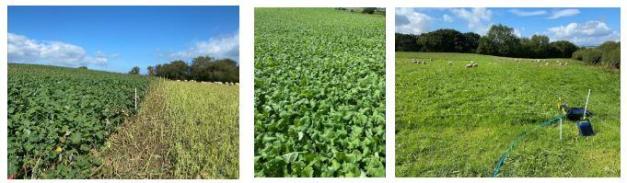
Figure 1. Established Redstart crop 17 July
Please contact timtechnegolcff@menterabusnes.co.uk if you would like any more information on this project.