

EDPET (Early Detection and Prompt Effective Treatment): Assessing the impact of improved lameness detection on lameness prevalence and lesion incidence.
Key results:
- Cattle Eye was an effective way of improving early detection of lameness cases as part of a holistic approach to lameness management.
- The VetVisionAI cameras indicated that cow comfort and lying times were 12-14 hours, which is excellent to maximise herd performance.
- Cases of new sole ulcers fell by two thirds and white line lesions nearly halved in comparison to previous year.
- A focus on lameness over a 12-month resulted in a total cost savings of £15,650 representing a 37% return on investment based on the reduction in lameness cases.
Background
Just under a third of dairy cows may be experiencing some degree of lameness in the UK. An average incident of lameness costs the dairy farm around £330 due to reduced milk production, reduced fertility, and increased risk of culling. This means that for the average 250 cow dairy herd with average levels of lameness, it will be resulting in losses in the region of £65,000 per year.
Moreton Farm runs a 440 cow all year-round calving herd with the majority calving in the Autumn where the cows average 9,600 litres per/cow/year at 4.30% butterfat and 3.35% protein. Lewis is aiming to push for higher yields and bring the whole herd into a single autumn calving block going forward and recently switched to three times a day milking for most of the herd’s lactation. Since Lewis has joined the family business cow numbers have increased significantly alongside investments in infrastructure, a milking parlour, state of the art cubicle shed and more.
The project worked closely with Sara Pedersen from Farm Dynamics to assess foot health and identify key areas to focus on to improve mobility in the herd. Specifically, the aim was to identify cows at an early stage of lameness to ensure that good recovery rates were achieved and the impact on milk yield losses and fertility minimised. Alongside earlier detection there was also a focus on preventing lameness occurring in the first instance.
Purpose of the work
- To assess foot trimming and treatment data to identify key lesions causing lameness
- Implement the Healthy Feet Programme by undertaking a full farm risk assessment to identify key areas on which to focus and develop an action plan to address these
- Investigate options for improving early detection of lameness either through technology or regular mobility scoring
- Assess foot trimming protocols and training/upskilling the farm team to ensure prompt, effective treatment after cows are identified as lame
What we did:
To determine the best approach to lameness detection, it was important to first establish the degree of lameness in the herd and the main lesions causing lameness. To do this, the foot trimming records were analysed. Figure 1 shows the number of cows recorded with each major type of lesion in 2023 (each cow is only counted once regardless of the number of times she was recorded lame during the year).
Figure 1. Number of cows recorded with lesions in 2023
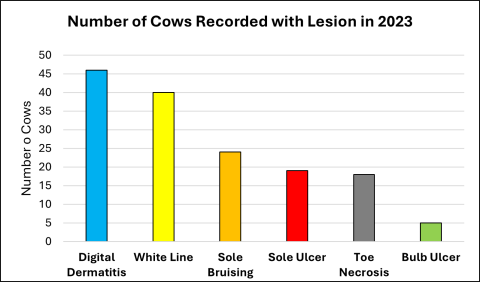
Figure 1 indicated that digital dermatitis lesions were the most prevalent, however, cows with digital dermatitis aren’t always lame so early detection focused on identification in the parlour via Cattle Eye rather than through mobility scoring. Sole bruising and sole ulcer can be considered as the same lesion since bruising is an early stage of an ulcer, therefore sole ulcers/bruising and white line disease were considered the main lesions to monitor and reduce at Moreton Farm.
Mobility scoring versus Automation
Different options for improving early detection were considered, including fortnightly mobility scoring and installation of CattleEye, which would provide daily mobility scores. It was decided that CattleEye would allow more continual monitoring. Installation involved a CCTV type camera being placed above the race and the camera being trained to recognise individual cows. Each time the cows passed down the race, they would be assigned a score from 0-100 based on the probability they were lame. Cows needing attention would then be flagged up on the CattleEye dashboard so they could be examined.
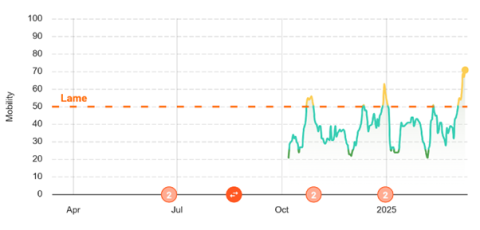
Figure 2. Cattle eye mobility scoring dashboard
Foot trimming technique and protocols
The 5-step trimming method was followed during our project which involved
- Trim toe length to correct length
- Match untrimmed claw length
- Model out sole ulcer size
- Relieve weight off painful claw
- Remove loose / under run horn and hard ridges
The foot trimming technique was reviewed and adapted to include a deep, wide model as part of Step 3 of the 5-step method . The aim of this was to reduce weight bearing on the sole ulcer site. In addition, all cows were presented for an additional inspection at 60-80 days in milk, as well as around drying off.
Monitoring Cow Comfort
Lameness and cow comfort are intrinsically linked as the more comfortable cows are, the less time they spend on their feet. VetVisionAI cameras were installed to monitor behaviour in the sheds. These showed how cows spent their time and allowed assessment of standing, lying and feeding times. Figure 3 shows a ‘heat map’ which indicates where cows stood most when feeding. The cows were feeding along the whole length of the barrier with a very minimal hotspot at the top of the shed. Figure 3 also shows the excellent cow comfort in the shed, with nearly all cows lying down.
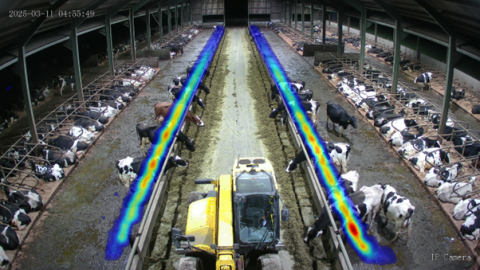
Figure 3. Heat maps from VetVisionAI camera’s showing where the cows stood mostly when feeding
Outcome:
The bar chart in Figure 4 shows the difference in number of lameness lesion cases between two seasons from September 23-24 and September 24-25
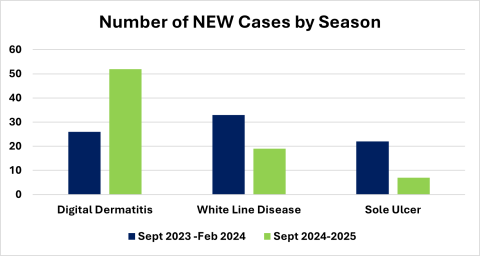
Figure 4. Comparisons made from 1 September – 31 August for 2023-2024 and 2024/2025
Cost Benefit:
Total savings based on the above reductions year on year in new cases and a conservative cost of £750 per sole ulcer and £500 per white line lesion total £18,250. There is an increase in digital dermatitis cases which would have resulted in additional costs of ~£2,600, however, the focus of the early lameness detection is on claw horn lesions i.e., sole ulcer and white line and therefore these only are considered here. Cattle eye’s total cost over the project period was £3,759, there was an additional cost of £5,429 for foot trimming, there was infrastructure alterations with adjustment to the feed barrier at a cost of £350 and Farm Dynamics total consultancy cost of £1860. The total cost for the project was £11,398.
Overall, the return on investment was 37%. For every £1 spent on the project a £1.37 was returned to the farmer which is excellent
How to apply to your farm
- Utilise the foot health data you have from foot trimming or lameness records to identify the key causes of lameness on the farm.
- Discuss the main causes of lameness and come up with an action plan with your vet – this is where the Healthy Feet Programme can help as it provides a structured approach to identifying practical, achievable solutions to improve foot health.
- Review your lameness detection protocols: if you are seeing severe cases (e.g. sole ulcers) then consider how you can detect lame cows earlier, including using technology which has been validated against both mobility score and foot lesion data.
- Engage the whole foot health team (foot trimmer, farm staff and vet) in discussions and hold regular reviews.
- Upskill team members to make sure that when lame cows are detected, they are treated following the latest evidenced based approach.