

Use of gypsum to improve soil structure Final Update
Key results:
No short-term ROI demonstrated from the gypsum application under these trial conditions.
High magnesium levels linked to degraded soil structure results in poor drainage and ultimately increased runoff and erosion risk.
Soils with low infiltration may exacerbate nutrient loss, particularly under high rainfall conditions.
Continued sward underperformance may increase labour/time costs for grazing management and reseeding over time.
Trial indicates that compaction must be physically addressed first, before gypsum inputs can offer a return.
Background:
This project focuses on addressing a common challenge: poor soil structure in high-clay soils, specifically those with elevated magnesium levels. High-clay soils often suffer from poor structure due to high magnesium levels. Magnesium's strong binding affinity compacts clay particles, creating a dense, sticky soil with tiny pores. This restricts water and air flow, hinders root growth, and reduces nutrient availability, like phosphate.
This project addresses the issue by applying gypsum (calcium sulfate). Gypsum introduces calcium, which displaces some of the magnesium on the clay particles. This improves the calcium-to-magnesium ratio, encouraging the clay particles to clump together in a more open, porous structure. The goal is to alleviate compaction, improve soil health, and enhance grassland productivity.
Purpose of the work:
In this trial, gypsum was applied to a designated section of the grazing platform. The primary goal was to evaluate its effectiveness in improving the Calcium/Magnesium ratio and consequently eliminating the limiting soil layer, leading to better soil structure and potentially enhanced grassland productivity.
What we did:
Three fields, with comparable soil types, were split in half with one half receiving gypsum, while the other half remained untreated, serving as a control, Figure 1.
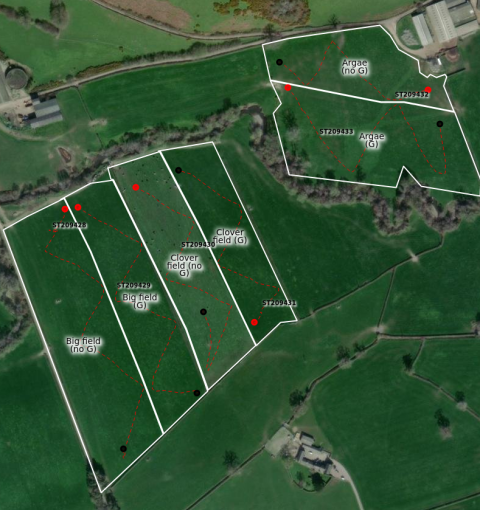
Figure 1 - Three fields split in half to create 6 plots. ‘G’ - Gypsum. ‘No G’ - control.
The first Gypsum application was applied on 17 May 2024 at 20l/ha and the second application on 28 September 2024 at 10l/ha, costing £81/ha for the product alone.
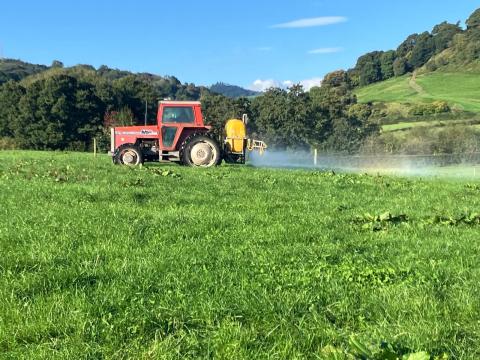
Figure 2 : Gypsum application at Greenhall in 2024
Before and after application, the following data was collected from all six plots (with each plot subdivided into three areas for the VESS and water infiltration):
- Soil Samples were taken to determine the initial concentrations of magnesium and calcium.
- Visual Evaluation of Soil Structure (VESS) Assessment was conducted to visually evaluate the soil structure, including aggregate stability, porosity, and root development.
- Water Infiltration Test was used to measure the rate at which water penetrates the soil, providing an indication of current soil porosity and compaction levels.
Outcomes:
All six areas showed pH levels in a good range for grassland, with no need for lime. Phosphorus and potassium levels are consistently above RB209 recommendations with no immediate requirement for additional P or K.
Compaction across the trial plots is being caused by a combination of livestock pressure and machinery traffic, leading to restricted pore space, poor drainage, and slow water movement. Soil visual assessments and infiltration tests both point to limited soil function under current conditions. Magnesium levels are elevated in several fields, especially in the Clover and Big Field, which may exacerbate compaction and is consistent with field observations of poor infiltration and limited drainage.
VESS: Overall, there were no marked differences between treated and untreated areas.
Infiltration Tests:While there were some differences between plots, no clear improvement was seen in areas treated with gypsum.
While gypsum may help improve soil structure by displacing excess magnesium and supporting better aggregation, the short length of the trial and the use of only one application method appeared to have no short-term effect, making it difficult to judge its true impact. Alternatives such as bulk-applied mineral gypsum could be worth exploring.
The results suggest that mechanical remediation techniques, including surface aeration or sward lifting may be needed to physically break up compacted layers. These could work in combination with gypsum to restore pore structure and, if the calcium–magnesium balance can be improved, help maintain these gains over time.
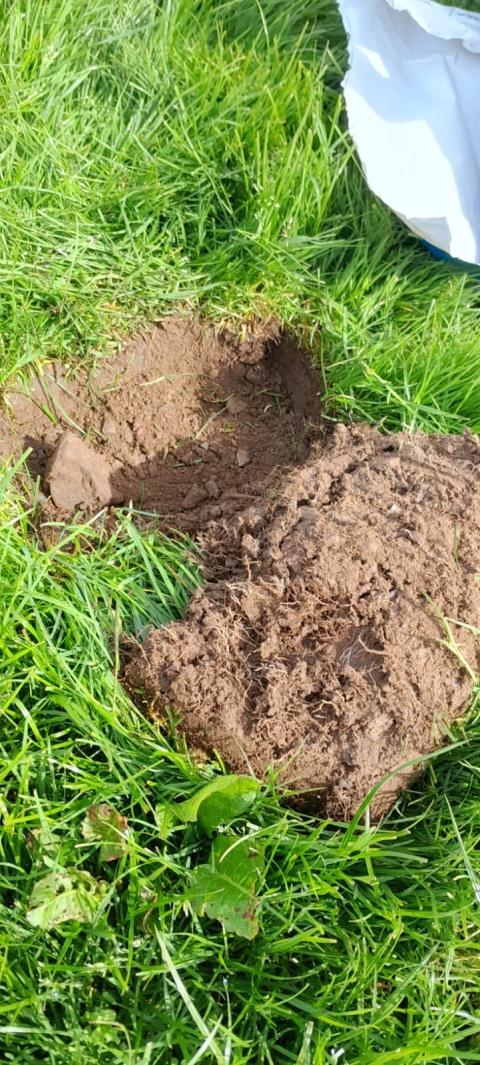
Figure 3 : Soil structure at Big field, Greenhall in 2025
How to apply on your farm:
- Identify Compaction Hotspots - Walk the fields and use a spade or penetrometer to check soil structure—pay attention to wheeling’s, gateways, and areas with heavy grazing.
- Get to Know Your Soil Chemistry – Use regular soil testing to check for nutrient imbalances—especially magnesium levels.
- Trial Gypsum Thoughtfully - Start with a small area to observe any structural or infiltration improvements over time.
- Tackle the Physical Compaction - Use remediation techniques suited to the compassion identified.
- Plan for Long-Term Resilience - Monitor high-risk areas annually to catch problems early—structure can be slow to build but quick to lose.