

Pre-mowing grazing paddocks
Moor Farm runs a rotational grazing system for the spring calving herd throughout the summer months and an on off grazing during the spring and autumn to maximise grazed grass in the herd’s diet. The Ffrwd Holstein Friesian herd are medium sized cows with higher production and intakes than cross-bred animals found in a NZ based spring calving system.
This project will investigate if pre-mowing is an effective tool to maintain pasture quality in the farm system. Currently, farmer Rhys would pre-mow any paddocks that are greater than 3,100kgDM/ha in cover and when grass is stemmy and reaches the reproductive stage; some paddocks would be pre-mowed 3-4 times over the grazing season.
The farmer currently believes that this is a cost-effective way to maintain pasture quality and reduce weed burden in the sward over the grazing season, whilst also optimising herd performance and pasture intakes.
What will be done
- A field beside the yard will be chosen for the trial, and this will be split into three 1 hectare paddocks:
- Paddock A will be a control method of grazing standing pasture with no machinery intervention during the summer months
- Paddock B will be split in half where half the paddock is pre mowed and the other half has no intervention.
- Paddock C will be pre mowed around 6-12 hours before every round during the grazing season
- Grass growth will be measured weekly using a plate meter/cut and weigh system to determine tonnage dry matter per hectare
- Fresh grass samples will be sent to Sciantec laboratory for NIRS and taken before grazing each paddock; around 8-9 samples will be taken in every paddock for the rest of the season
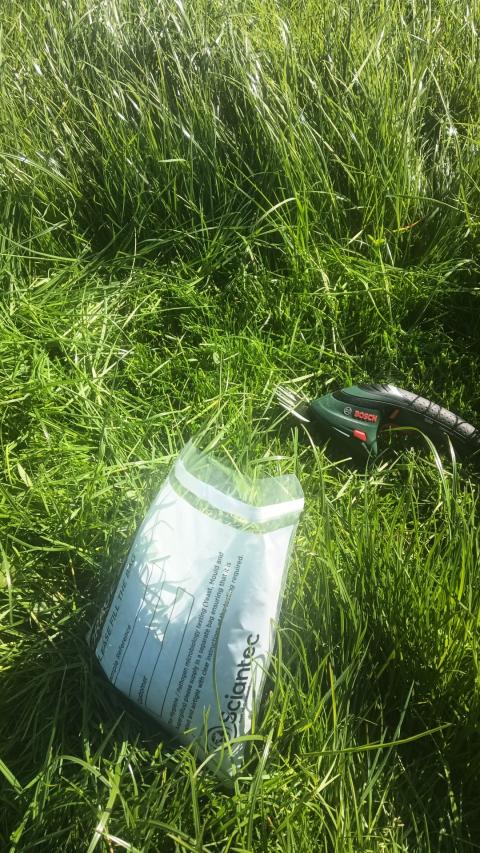
Figure 1. Fresh grass being cut and sent to the lab for analysis
Photos will be taken pre and post grazing of every paddock throughout the season
A quadrat will be used to assess visual pasture quality, weeds present, pasture density before, during and at the end of the trial to identify progress and any change.
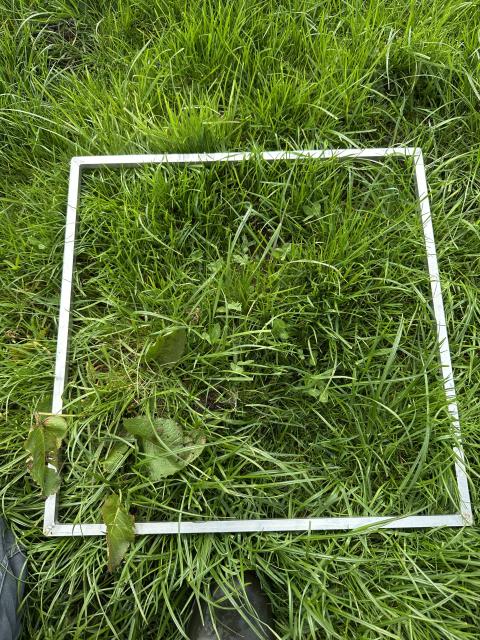
Figure 2. Using a quadrat for weed count and visual pasture quality assessment at the beginning of the project
- Rumination cow collars will be installed on a random 10 cows in the herd and cow behaviour will be monitored including rumination, intakes, time grazing and lying times.
- Costs will be calculated for pre mowing/ topping and baling each paddock
- A Return on Investment (ROI) figure will be calculated at the end of the project for pre-mowing to help clarify if it is a cost-effective tool to manage pasture and high pre-grazing covers on the grazing platform
The project will contribute to the Sustainable Land Management outcomes including:
- High Animal Health and Welfare
- Maximise carbon storage
- Mitigate flood and drought risk
- Reduced Green House Gas Emissions
- Resource efficient