
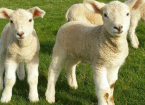
Lamb Survival
This course will detail the underlying causes of mortality and ways to reduce losses, as well as specific diseases, their symptoms, diagnosis, treatment and control.
The British Cattle Veterinary Association ( BCVA ) together with the Cattle Hoof Care Standards Board (CHCSB) have developed a programme of foot trimming and treatment courses aimed at providing farmers with the most up to date training delivered by...
Genomics is the study of an organism’s entire genome and encompasses the genome’s structure, functions, evolution and mapping. Genomic approaches can be used to improve many factors, including the sustainability and productivity of a flock, herd or crop through strategic...
Assessing soil health & rectifying soil compaction
Since converting to dairy in 2018, Nant y Fran has made significant investment in infrastructure and has focused on producing high quality grass, multi-cut grass silage...
Rodents are a persistent pest problem in UK industry and agriculture, causing significant issues such as disease transmission, food loss and contamination, structural and infrastructure damage, business disruption, and reputational harm. Additionally, their control and its methods are a legal...
Calf pneumonia remains a significant cause of calf disease and mortality. It is a common yet complex multifactorial disease. Calf pneumonia is a lifelong disease as lung damage is irreversible and will have everlasting effects on health and productivity, despite...
Many post-lambing issues are related to nutrition, hygiene, and the ewe's body condition during pregnancy. Many post-lambing diseases are metabolic, but this module will cover metritis (uterine infection), mastitis (udder infection), and uterine prolapse.
To routinely monitor lamb growth rate to gather information about flock management including:
The clinical signs of trace element deficiency in sheep are often insidious in onset and usually present as poorly grown lambs in late summer/early autumn.