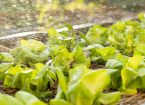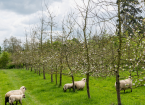
Horticultural Diversification for Biodiversity
This module will explore key diversification strategies for use in horticulture that specifically support biodiversity.


This module will explore key diversification strategies for use in horticulture that specifically support biodiversity.
The horticultural sector relies heavily on water from many sources. By using a combination of sustainable methods, monitoring, benchmarking and good planning, growers can manage water usage and set achievable KPIs to support efficient and cost-effective water management.
This course has been designed to provide a comprehensive introduction into what green manures and cover crops can do to improve soils. Covering the roles these crops can play in preventing soil erosion, improving soil organic matter, managing nutrients, enhancing...
Are you a horticultural business? Farming Connect can support you to complete UA4 (CPD) of the Sustainable Farming Scheme.
For horticulture farm businesses joining the SFS in 2026, the following e-learning modules completed from summer 2025 will count towards the...
While farmers already focus on supplying food through crops and livestock, there can be a disconnect when it comes to horticultural growing. This module aims to enhance your understanding of horticultural ventures, from start-up to development, providing a valuable starting...
This training will introduce the value of mobility scoring, explain good approaches to take and detail the minimum expected requirement for the Universal Action under the Sustainable Farming Scheme.
Sheep are seasonal breeders, but:
This module addresses the need for infrastructure management, current legislation, storage and handling and the impacts of rainwater.