

Combating iceberg diseases - Final Update
Background
Following a recent screening for Iceberg diseases on the North Country mule flock at Graianfryn, findings highlighted the need for strategic action to improve overall flock health and productivity. The project was aimed at developing a new, proactive flock health disease control protocol and tool for more effective flock screening.
Purpose of the work
- Create a screening protocol for Graianfryn Farm.
- Develop a suite of practical, data-driven tools to help farmers and vets make informed decisions on iceberg disease control.
What we did
The project was focused on creating a suite of tools and guidance to support Graianfryn and other farmers with data driven knowledge to guide future flock health planning.
- Disease protocol: A logical, easy-to-follow guide for farmers to use, along with guidance from their vets, on courses of action depending on disease screening outcomes.
- Sample size calculator & test interpreter: An excel tool to determine how many animals to test to achieve statistical certainty, and to help interpret the likelihood of false positive results.
- Cost-benefit calculator: An excel tool using large-scale simulation to model the financial outcome and ROI of a health intervention, using farm-specific data.
Outcomes
A 'bought-in' nucleus flock was favoured over testing the existing flock for several crucial reasons:
- Attempting to 'test and clear' an existing flock is a very long and costly process with uncertain outcomes. The primary challenge is the difficulty in identifying and removing all Persistently Infected (PI) animals, which continuously spread the virus and act as a constant source of reinfection.
- Purchasing a new, nucleus flock from a high flock health status farm was the fastest and most reliable method to establish a disease-free baseline.
- This decision gives the farm the option to shift its replacement strategy from a high-risk buying-in model to a more secure closed-flock system. The nucleus flock could now be used to breed the farm's own replacements. This approach would close the main flock to most outside disease risks, simplifying long-term health management.
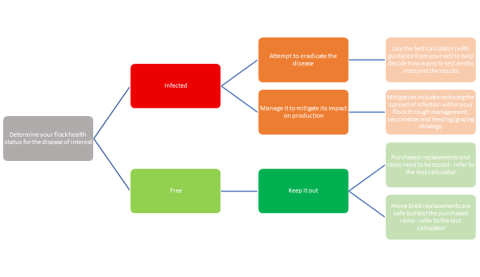
Figure 1: Iceberg disease health screening protocol
Following purchasing the nucleus flock, Graianfryn followed the health screening protocol in figure 1. Initial screening flagged two Maedi Visna (MV) positives and tests for Border Disease returning negative. Following the protocol's decision tree, the low incidence suggested a high chance of these being false positives. A targeted re-test confirmed both sheep were clear of the disease.
The disease surveillance programme has proven highly beneficial for Graianfryn. By collaborating with their vets and adhering to the health screening protocol, with guidance from the sample size calculator & test interpreter, they have refined their approach to flock health. The upcoming cost-benefit calculator will be a crucial tool, helping farmers make informed, data-driven decisions regarding disease management within their flocks.
How to apply on your farm
- Use the health screening protocol along with guidance from your vet to plan a surveillance strategy for your flock.
- Use the sample size calculator to establish the number of sheep required for testing.
- Use the cost-benefit calculator with your farm's figures to see the likely ROI of any action.
- Use the test interpreter to see if positive results are likely true infections or false positives.